Oswald Rivera

Author, Warrior, and Teacher

Category: sauces (page 1 of 8)

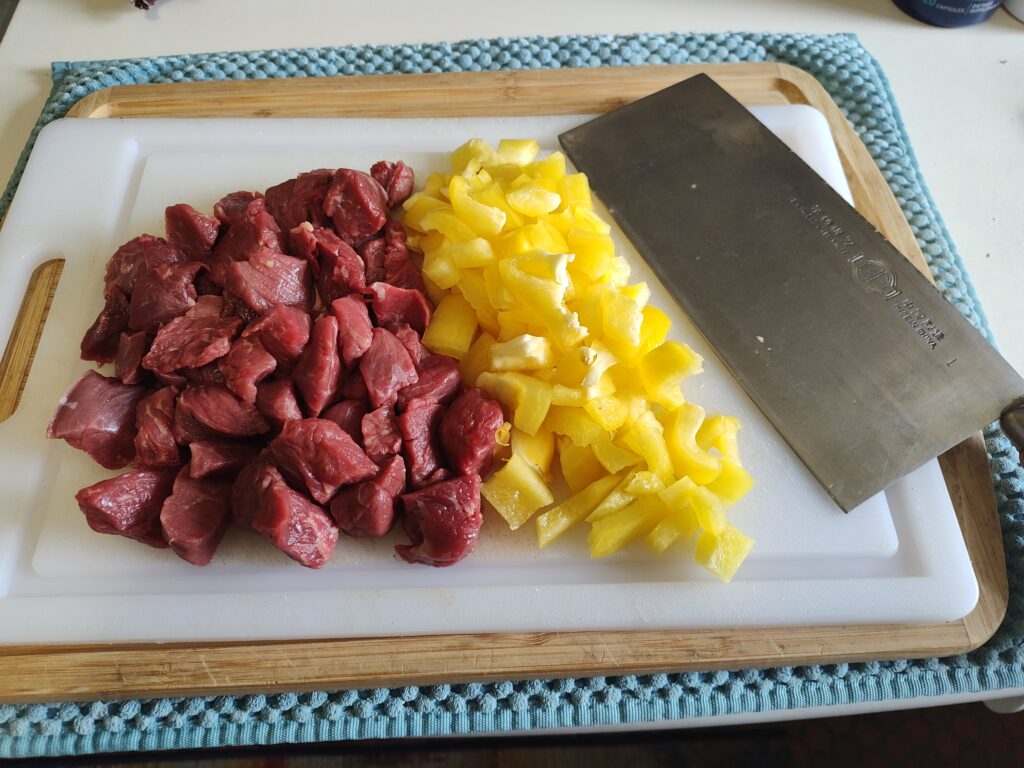
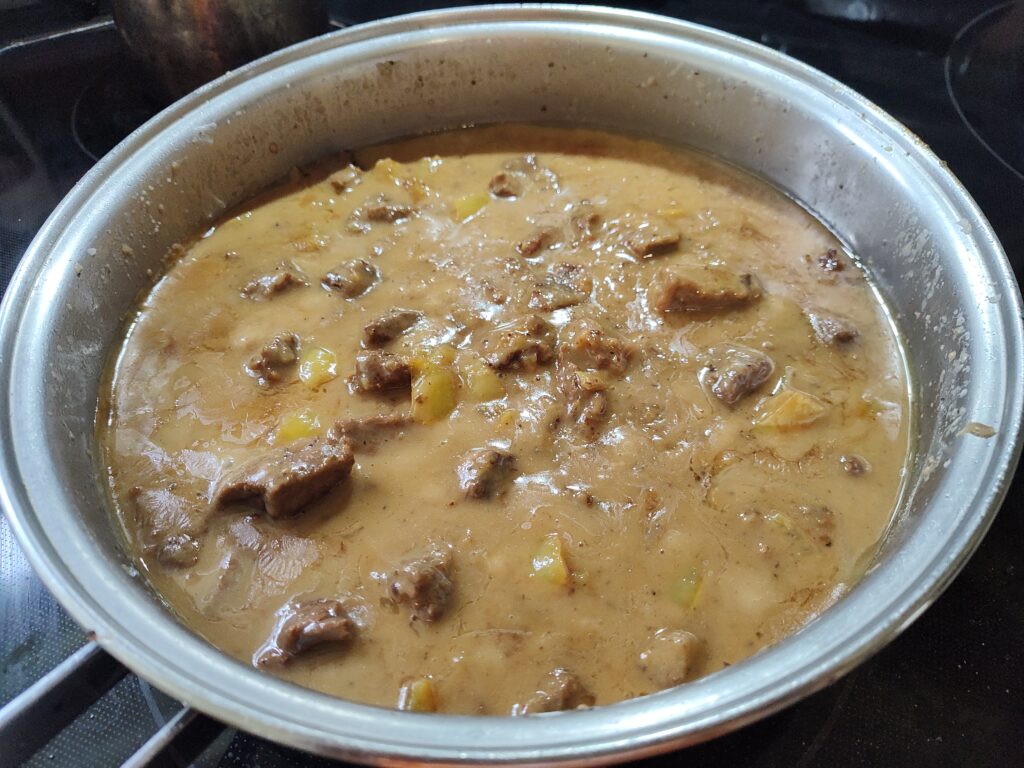
BEEF WITH BELL PEPPER (Carne con Pimiemto)

Bell peppers, also known as sweet pepper, are called pimientos in Spanish. In our culture we love the suckers. They have an underlying sweetness that we cherish. In today’s recipe we pair pimientos with beef. In this instance, we are using beef stew meat. Back on the block, in what was then called Spanish Harlem, beef stew meat was cheap. As a result, it was a frequent dish at our table. We had steak only when we could afford it. Mostly chuck meat. A choice cut like Rib-eye, tenderloin or sirloin, or even flank steak was for special occasions. The most common thing we prepared. you guessed it, was beef stew, to which we added potatoes and tomato sauce.  And then we had Carne con Pimiento or, Beef with Bell Pepper. Just like beef stew, it would get us by. For the bell pepper, in those, days it was mainly red or green bell pepper. For this recipe we used yellow bell pepper.

Note that in this recipe we add sazón, a seasoning very popular in our cuisine. Goya brands and Bodega Badia make good versions. And, if for some reason you can’t find sazón, you can substitute a ¼ teaspoon turmeric. Also, we normally serve this dish with rice; but you can pair it with pasta. This time around we paired it with pappardelle, a large, very broad, flat pasta, similar to wide fettuccine,

CARNE CON PIMENTO
(Beef with Bell Pepper)

Ingredients:

2 pounds beef stew meat, large pieces cut into 1-inch cubes
Salt and black pepper to taste
¾ teaspoon garlic powder
¼ teaspoon dried oregano
2 tablespoon flour
¼ cup olive oil
1 medium onion, peeled and finely chopped
1 medium bell pepper, washed, cored and chopped
1 cup water or chicken broth
1 packet sazón
¼ cup
red wine, preferably dry

Instructions:

  1. Wash meat under cold running water and pat dry with paper towels.
  2. Season and rub the beef pieces with salt, pepper, garlic and oregano.
  3. Dust the meat with one tablespoon of the flour.
  4. Heat the oil over moderate heat in a large skillet or frypan.
  5. Add meat and brown on both sides. Remove meat from pan and keep warm,
  6. Add remaining flour to the pan or skillet. Cook over low heat, stirring constantly until lightly brown (do not burn).
  7. Add onion and bell pepper.  Cook about 3 minutes.
  8. Add water or chicken broth mixed with remaining tablespoons of flour and sazón. Add red wine and stir to combine. Cover and cook until beef is tender, about ½ hour.
    Yield: 4-6 servings.
LEEKS IN TOMATOE SAUCE

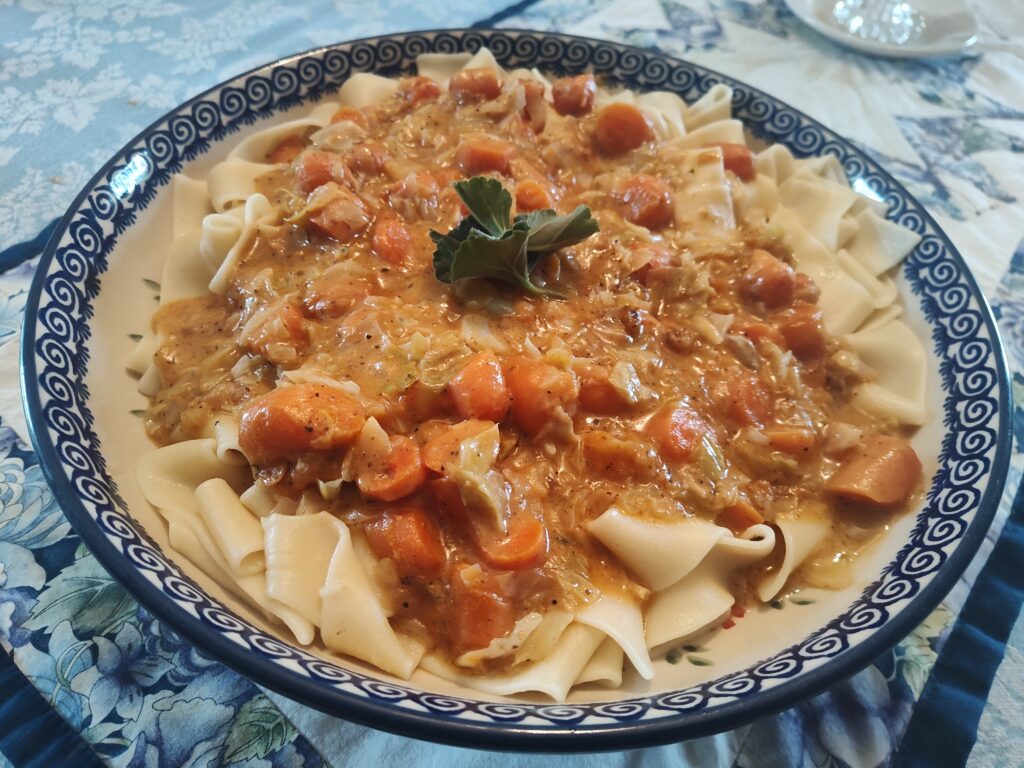
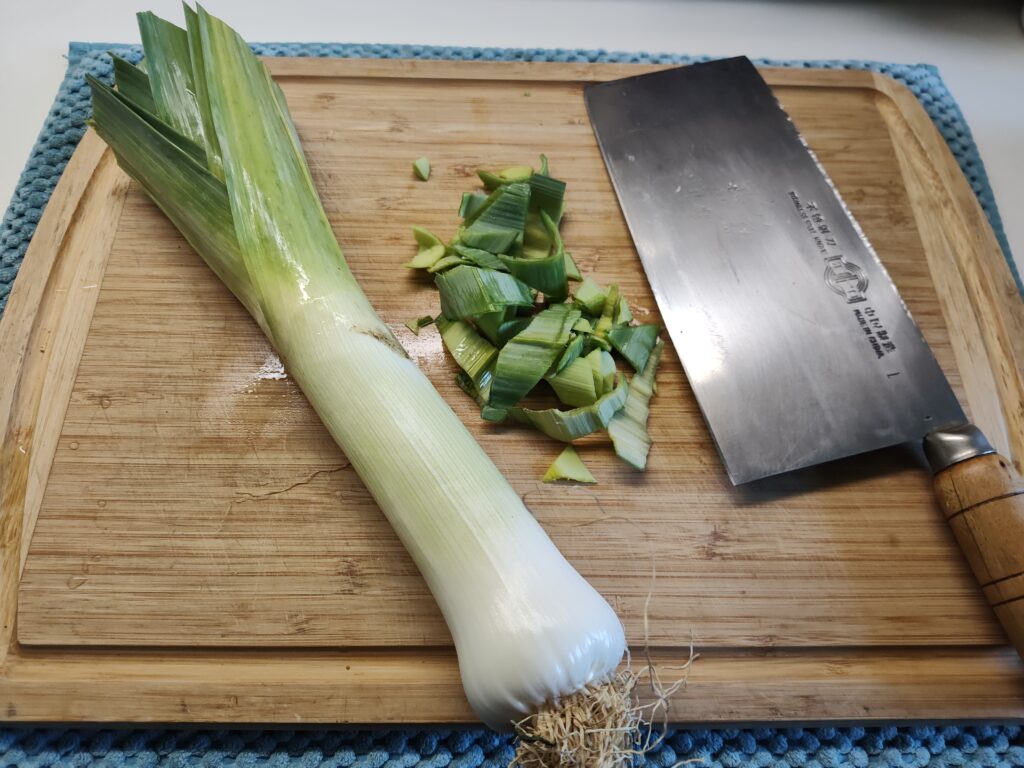
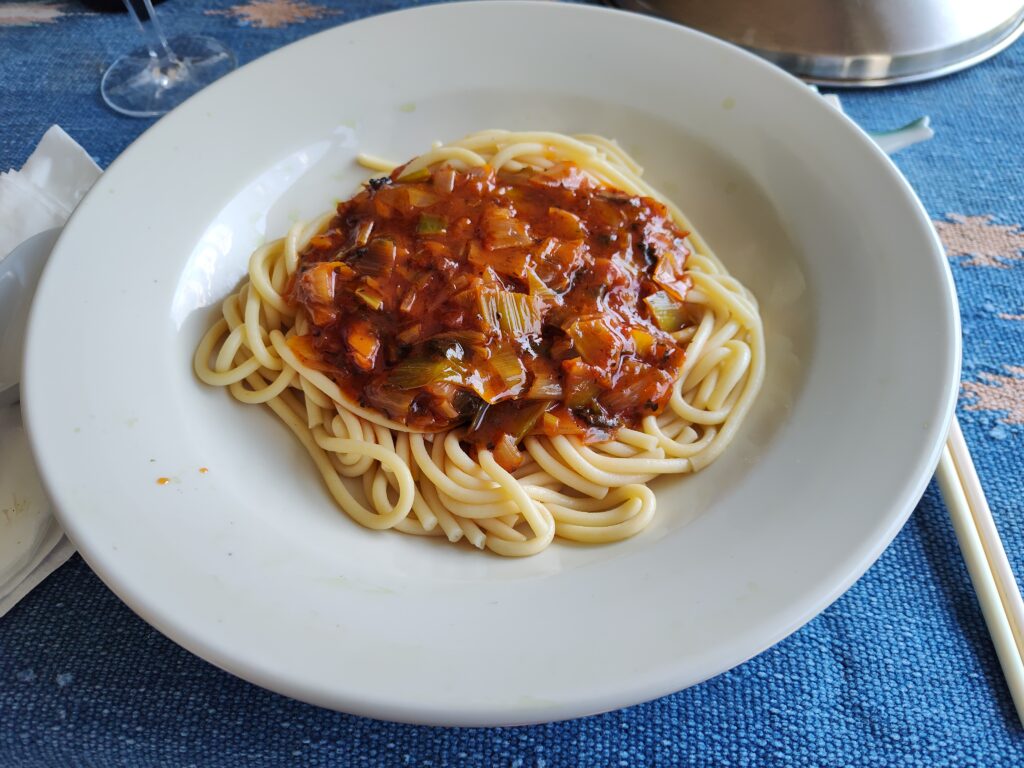
This post could have been called “Cooking with Leeks.” Until my young manhood leeks were unknown to me. In Spanish Harlem we cooked with onions, garlic and, sometimes, scallions. Leeks were somewhere out there a world apart. Once I got to know them, I became a fan. In fact, they are part of the same family as scallions, garlic and chives. Leeks are pretty easy to cook and have a subtle flavor, becoming slightly sweet when cooked and tender. Just remember that, like scallions, the best parts to eat are the white and light green portions. So, they need to be trimmed. That is, cut off and discard the tough dark green tops and the stringy root end. Then slice leeks into half-moons or thin rounds. Leeks have tight layers that accumulate dirt and sand, so put them in a colander and wash thoroughly under cold running water.  Now you’re set to cook the suckers.

Added note: This recipe is my Nuyorican version of leeks. So, it includes sazón. a spice blend popular in Latin American and Caribbean cuisine. It adds an earthy and savory depth to dishes. Goya products and Badia make a good version. If you don’t have sazón, you can substitute ground turmeric. For this recipe use ¼ teaspoon. Also, we paired this dish with pasta, specifically bucatini, a thick hollow pasta similar to spaghetti. If desired, you can also pair it with a grain like rice or couscous.

LEEKS IN TOMATOI SAUCE

Ingredients:

2 leeks, thinly sliced (see above)
4 tablespoons olive oil
2 cloves garlic, peeled and minced
1 (15oz.) can tomato sauce
2 tablespoons heavy cream
Salt and black pepper to taste
1 packet sazón

Instructions:

  1. Prepare leeks and wash under cold running water (see above)
  2. Heat oil over medium-high in a wok, large skillet or frypan.
  3. Add garlic and leeks and cook, stirring occasionally, until tender, about 8 minutes.
  4. Reduce heat to low, pour in the tomato sauce and heavy cream.
  5. Season with salt and pepper. Add the sazón  and stir to combine.  Cook 3 minutes more and serve with pasta or favorite grain.
    Yield: 4-6 servings.
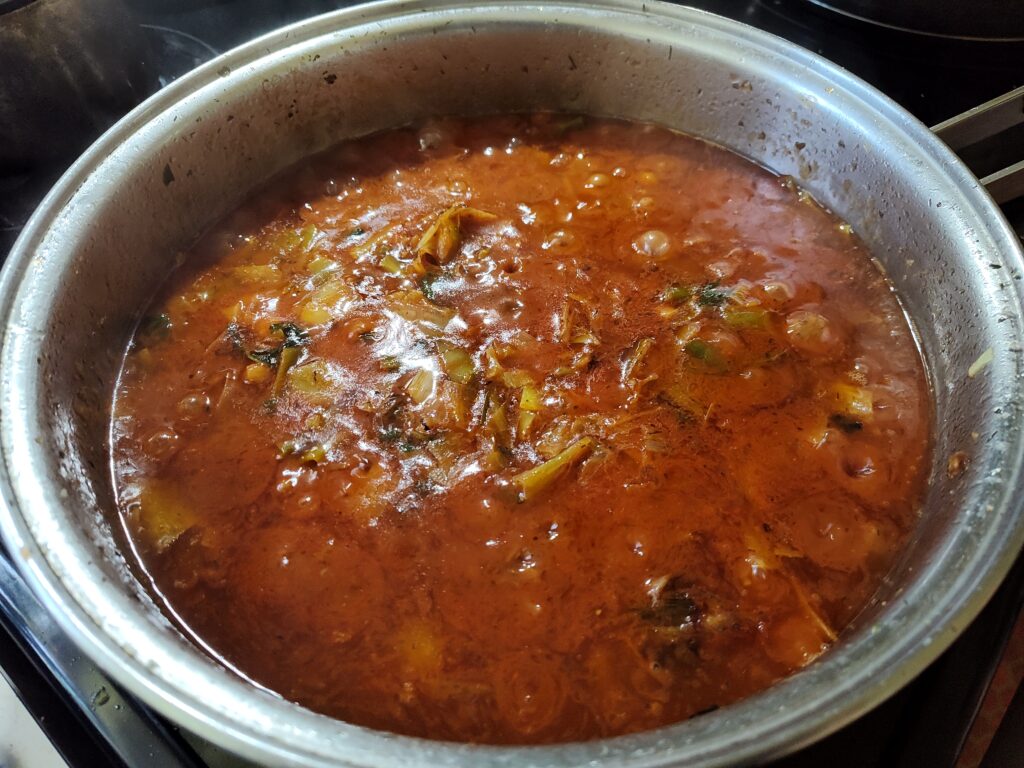
COOKING WITH FENUGREEK

Back in my young manhood I discovered fenugreek, an ancient herb and spice that, as I recall, we never used in our cooking back in Spanish Harlem. But once I found it, it became part of my culinary tradition.  For the health conscious, fenugreek has many benefits. It is packed with soluble fiber, protein and iron. It also helps regulate sugar levels, stimulates breast milk production, reduces inflammation, and helps with weight management by suppressing appetite. Not, only that, it can help in the bedroom department. Clinical studies suggest that fenugreek seed extracts may aid in boosting sexual arousal increasing sex drive and slightly raising testosterone levels in men. So, what more do you want?

I am partial to its sweet maple-like aroma in cooking. At the same time, it has a slightly bitter taste that, I can’t explain how, but also imparts a slight sweetness to a dish. It is a contradiction that makes for a glorious meal; be it breakfast, lunch or dinner. Fenugreek is very popular in Indian, Middle Eastern and North African cuisine. It adds depth and complexity to curries, stews, flatbreads and spice blends like Ethiopian berbere, a spice mixture often paired with lentils, stews, braises and meat.

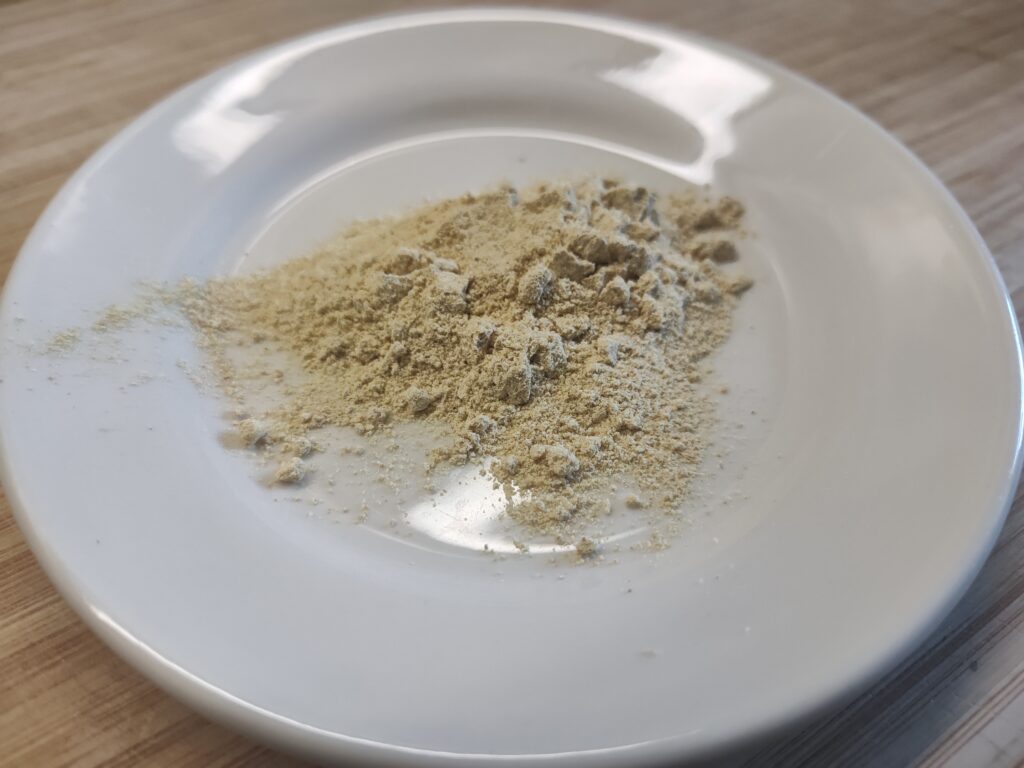
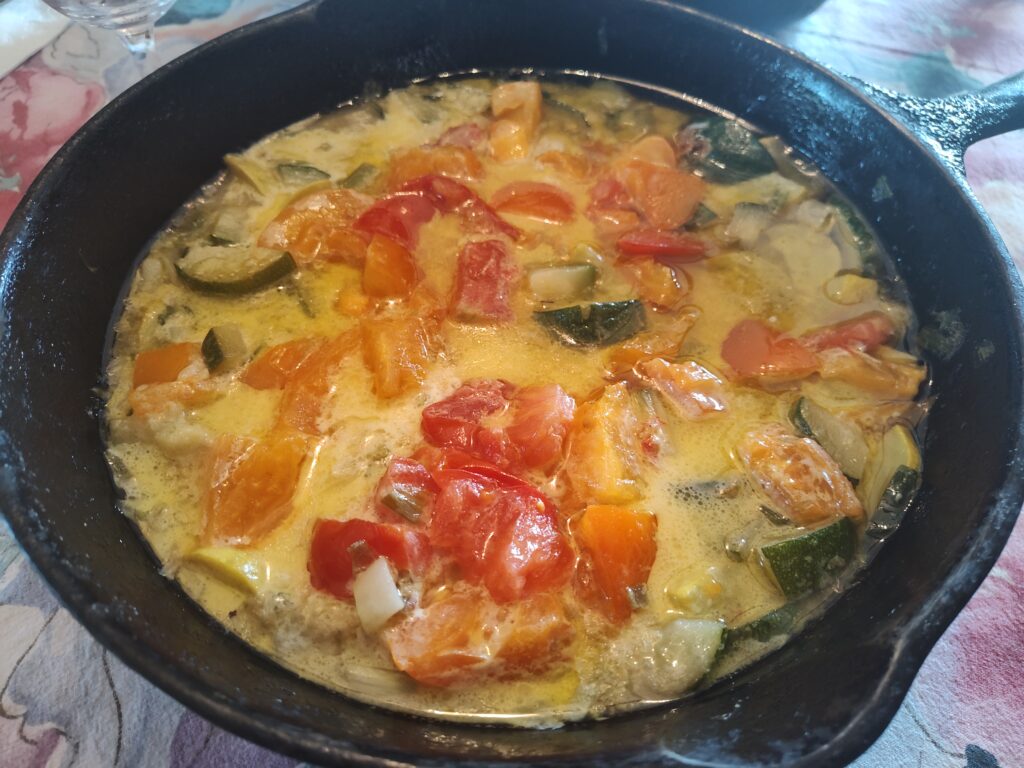
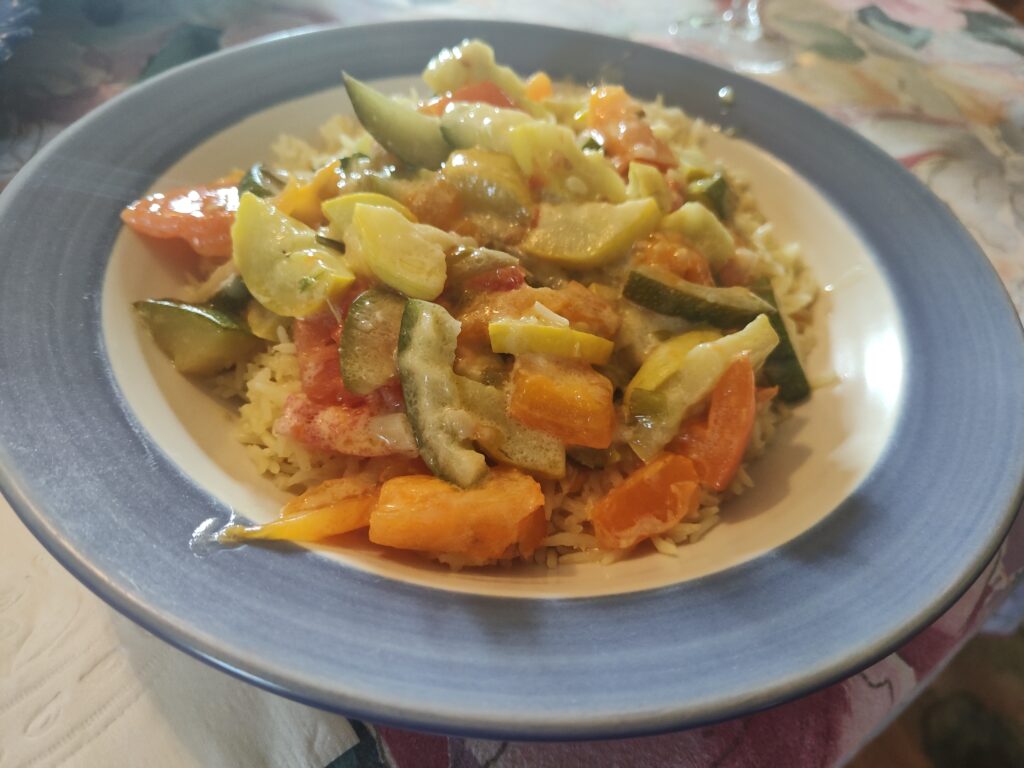
For today’s recipe, I combined fenugreek with zucchini, a vegetable I enjoy. The result is a delicious vegetarian dish for any occasion. But, if you’re a meat lover, add some to your favorite beef, pork or lamb entrée. Be aware that, to some, fenugreek, may be an acquired taste. So, it’s best regulated according to your taste buds. However you use it, it is a marvel waiting to be discovered. Note that fenugreek comes in whole seed or powdered form. I use the powder. If you’re adventurous you can also use the seeds and then crushed them in a mortar. I just find that to be extra work. The powder is more convenient.

We served this dish with angel hair pasta, and it was great. But you can pair it with ny pasta you prefer be ut string or shells like macaroni or penne. Or you can use a favorite grain like rice, couscous or quinoa. Or just serve it on its own with meat or seafood. It is a versatile rendition that won’t disappoint. Enjoy.

ZUCCHINI WITH FENUGREEK

Ingredients:

3 medium-to large zucchinis (do not peel)
4 tablespoons olive oil
1 medium onion, peeled and chopped
1 clove garlic, peeled and minced
¾ cup chicken broth
2 tablespoons flour
¼ teaspoon fenugreek seed powder or to taste
2 tablespoons heavy cream
2 medium-to large tomatoes

Instructions:

1. Rinse zucchini under cold running water and pat dry with paper towels.
2. Slice zucchini into small rounds, about a 1/8-inch thick. Then cut rounds in half. If large, cut into quarters.
3. Heat oil in a large heavy skillet or fry pan.
4. Add onion and garlic and cook until onion is soft and translucent.
5. In a small bowl or cup mix chicken broth with flour and add to zucchini. Cook, stirring, until broth starts to thicken. Note that if broth gets too thick you can always add more water or broth.
5. Stir in fenugreek and heavy cream.
6. Stir in tomatoes and serve
Yield: 4-6 servings


HAMBURGERS WITH PICKLES


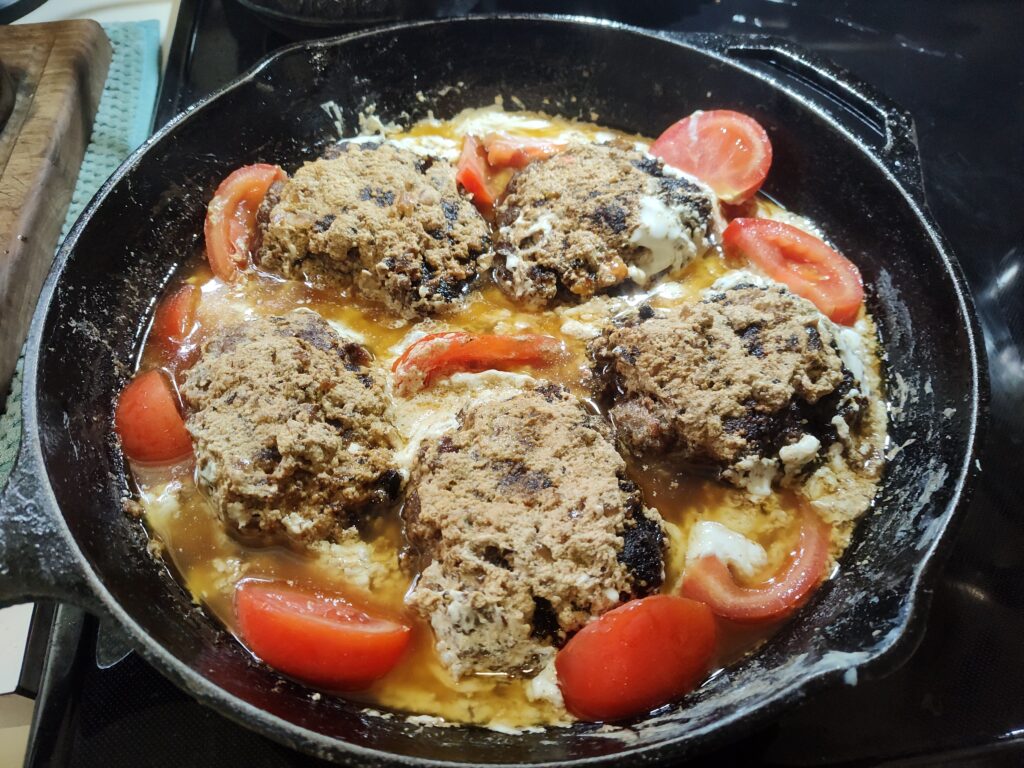
I’m always on the lookout for a good hamburger recipe and, luckily, I came across a burger preparation I had from years ago. For the record, it was a burger recipe from the old 60-Minute Gourmet column in the New York Times by renown chef Pierre Franay. He called it “A German Touch for Ground Beef.” The recipe is essentially, Hamburger with Pickles. Obviously, this is not a Nuyorican dish. Yet the ingredients and preparation mirror how we make Hamburgesa Criollo, or Creole Burgers. You can find a recipe for Creole Burgers in my first cookbook, Puerto Ruican Cuisine in America (Running Press). So, go at it with this recipe. No fuss, no mess, just add finely chopped dill pickles to the ground beef, and there you have it.

Unique about this dish is that it can served as dinner with a side like say, rice, couscous. potatoes or a favorite vegetable. In this case we used sliced tomatoes as a garnish. Also note that, in the original recipe, it called for corn, peanut or vegetable oil for frying. I used olive oil and the tase was great. Again, you’re choice.

This time around, elevate the humble hamburger to the center a fine meal. It won’t disappoint.

HAMBURGERS WITH PICKLES

1½ pound ground beef
2 teaspoons plus 1 tablespoon corn, peanut or vegetable oil (I used olive oil, see above)
½ finely chopped onions
4 tablespoons breadcrumbs
½ cup finely chopped dill pickles
½ teaspoon finely minced garlic
Salt to taste if desired
Freshly ground pepper to taste
2 tablespoons butter
1 tablespoon red wine vinegar
1/3 cup sour cream
2 tablespoons finely chopped parley

Instructions:

  1. Put the meat in a mixing bowl.
  2. Heat 2 teaspoons of the oil in a small saucepan of skillet and add half the onions. Cook, stirring, until wilted. Cool briefly.
  3. Add the cooked onions to the meat, Add the breadcrumbs, pickles, garlic, salt and pepper, and blend thoroughly with the hands.
  4. Divide the mixture into four equal portions and shape each into a patty about 1 inch thick.
  5. Heat the remaining 1 tablespoon oil in a skillet and when it is very hot add the patties. Cook over moderate heat about 5 minutes or until nicely browned on one side. Turn the patties and cook 2 minutes or to the desired degree of doneness on the other side. Transfer the patties to a warm platter. Pour off the fat from the skillet and add the butter. When it is hot and melted add the remaining onions. Cook, stirring, until wilted and add the vinegar, stirring. Cook about 45 seconds and stir in the sour cream. Stir and heat without bringing to the boil. Pour the sauce over the patties. Sprinkle with the parsley and serve.
    Yield: 4 servings.


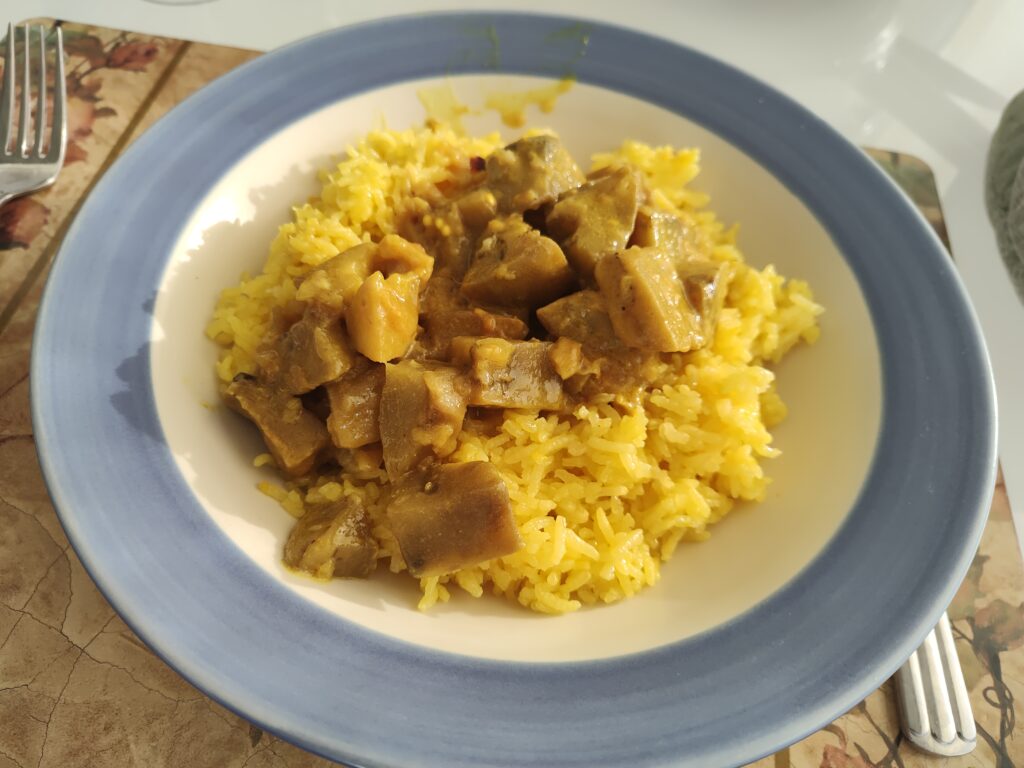
LOMA DE CERDO CON CÚRCUMA (Pork Tenderloin in a Turmeric Sauce)

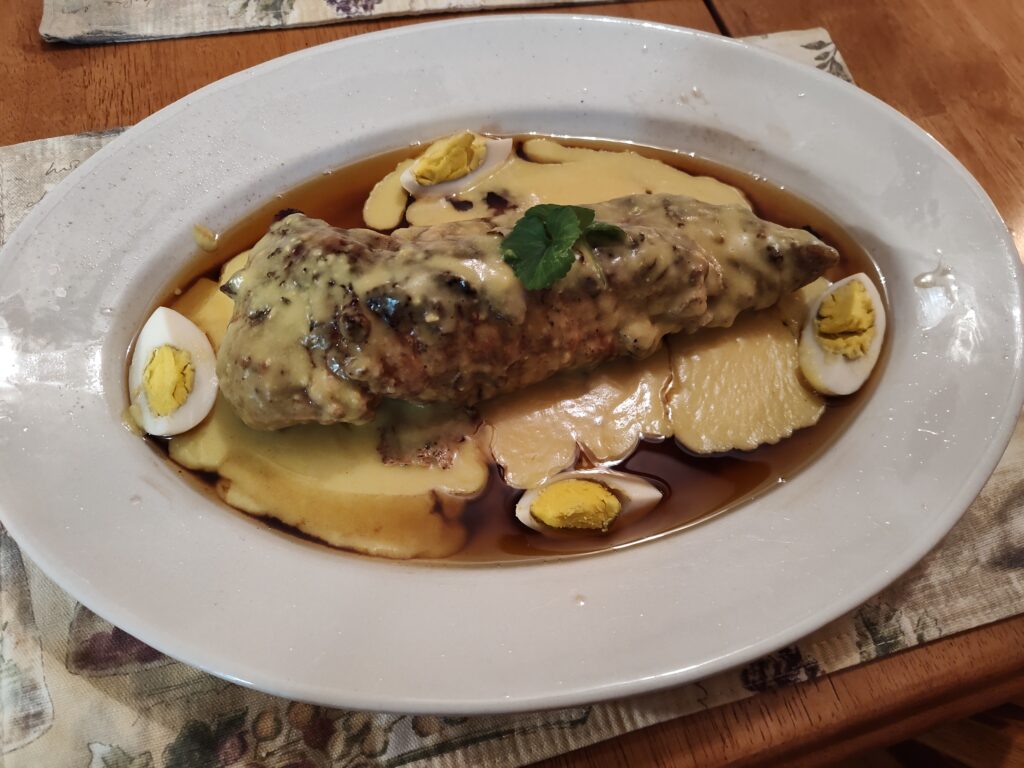
Back in Spanish Harlem, the favorite family pork dish was Pernil, or Roast Pork Shoulder. This is something we did for the holidays, like Christmas or Easter. Otherwise, it was plain old pork chops. But, on occasions we would have pork tenderloin (when we could afford it-we were relatively poor). Of course, this was for special occasions. Mainly we would roast it in the oven and serve it with a sauce. Like in today’s dish: Lomo de Cerdo con Cúrcuma or, Pork Tenderloin in a Turmeric Sauce. Cúrcuma, by the way, is pronounced koor-KOO-mah. Also, the turmeric gives the sauce, and the tenderloin, a pepper-like flavor and earthy, mustard-like aroma. Let me add, it is a spice with potent anti-inflammatory and antioxidant properties. That means, it’s good for you health wise.

This recipe is simple enough. Just season the tenderloin with salt and pepper, bake in the oven, and serve with the sauce. The sauce itself is just a basic roux to which we add oregano, garlic powder and the turmeric for added flavor and color. That’s it. So, let’s say you have the in-laws coming over for dinner, or that picky aunt who complains about everything; or your partner’s boss who is hard to please, especially when it comes to food. Well, make this specialty, and they will sing your praises. For all you bachelors and bachelorettes who want to impress that future boyfriend or girlfriend with your cooking skills, this dish is it.

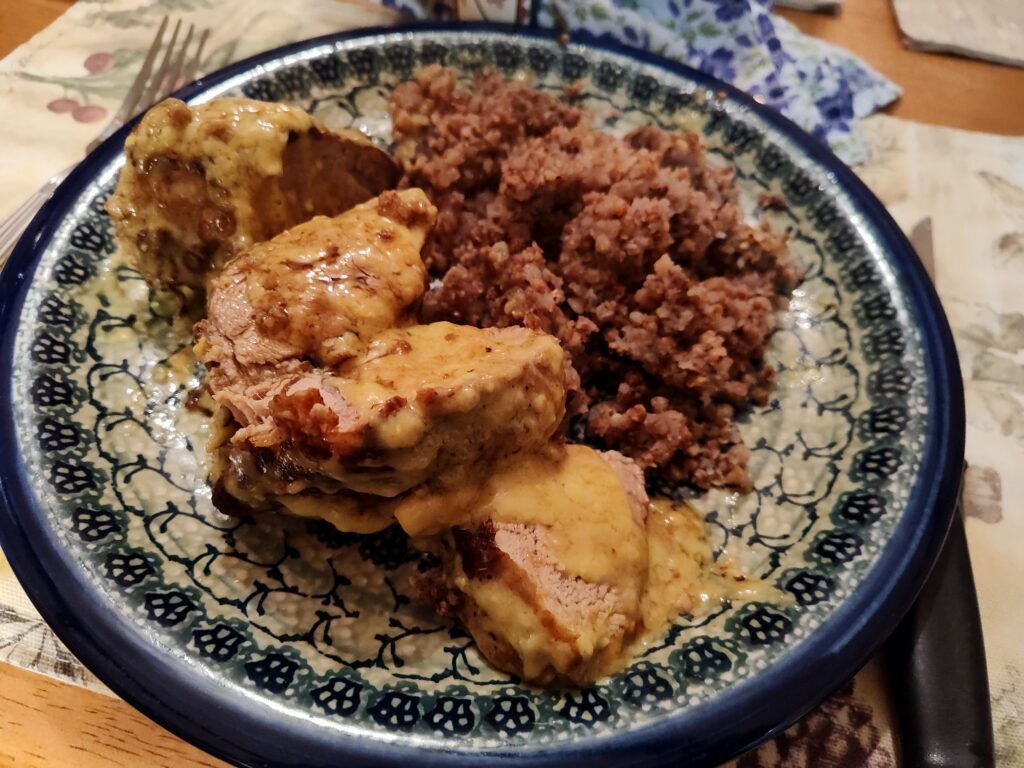
This recipe goes well with almost any side dish be it a vegetable like green beans or broccoli, or a grain like rice or couscous. Guess what, we served it with kasha. It even goes well with pasta, whether it’s string like linguini or spaghetti, or tubular like macaroni or penne. A meal for all palates.

LOMO DE CERDO CON CÚRCUMA
(Pork Tenderloin with Turmeric Sauce)

Ingredients

2 pork tenderloins (about 1-pound each)
Salt and ground black pepper to taste
2 tablespoons butter
2 tablespoons flour
1 cup cold milk or milk and cream
1/4 teaspoon dried oregano
1/8 teaspoon garlic powder
1/2 teaspoon turmeric

Instructions:

  1. Preheat oven to 425 degrees F.
  2. Rinse tenderloins under cold running water and pat dry with paper towels.
  3. Pierce the tenderloins all over with a knife or fork. Rub thoroughly with the salt and pepper.
  4. Place in an oven proof baking dish (we prefer cast iron). Bake, uncovered, for 25-30 minutes or until the pork had reached an internal temperature of 145 degrees, as measured in the center with instant read meat thermometer.
  5. While the pork is roasting, prepare the turmeric sauce: Melt butter over moderate heat in a small heavy saucepan. Add flour and blend well over low heat with a wire whisk until it reaches a smooth consistency.
  6. Stir in milk and bring slowly to boiling point. Cook 2 minutes, stirring constantly. Depending on thickness of sauce, you may want to add more milk or cream. Season with oregano and garlic. Finally, stir in the turmeric, cook 2 minutes more.
  7. Remove tenderloins from oven, place in a serving dish and let rest 5 minutes. Pour sauce over meat and serve. slicing pork into 1/2 to 2-inch pieces, or what are called medallions.
    Yield:
    4-6 servings.
EGGS GOLDENROD

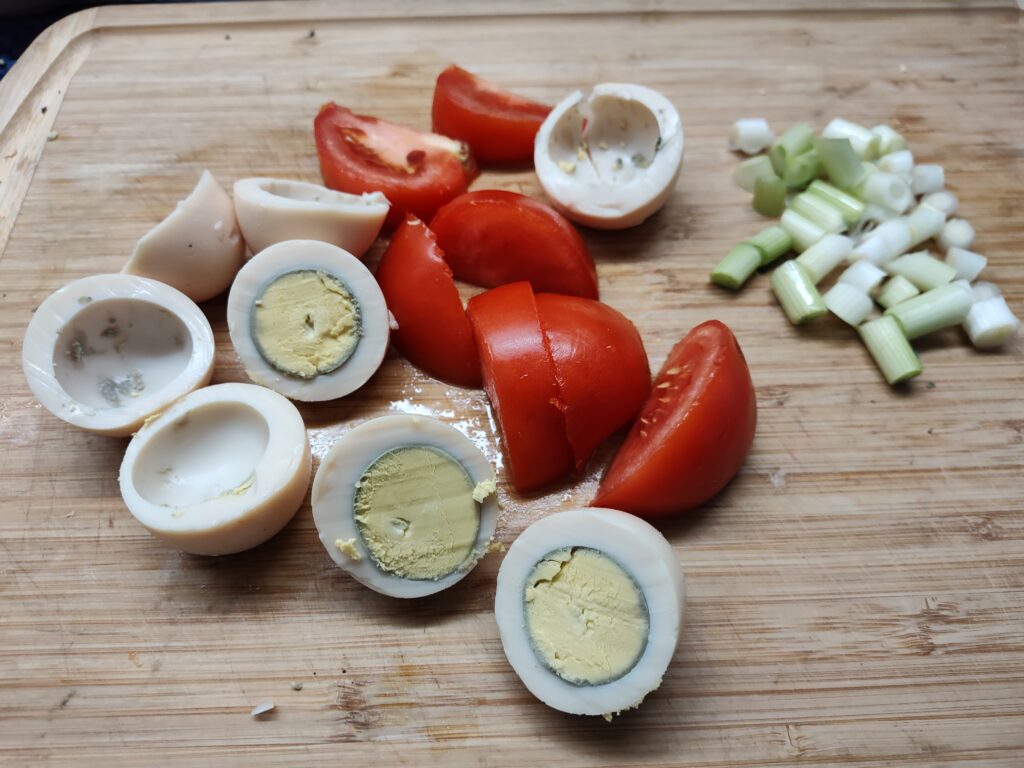
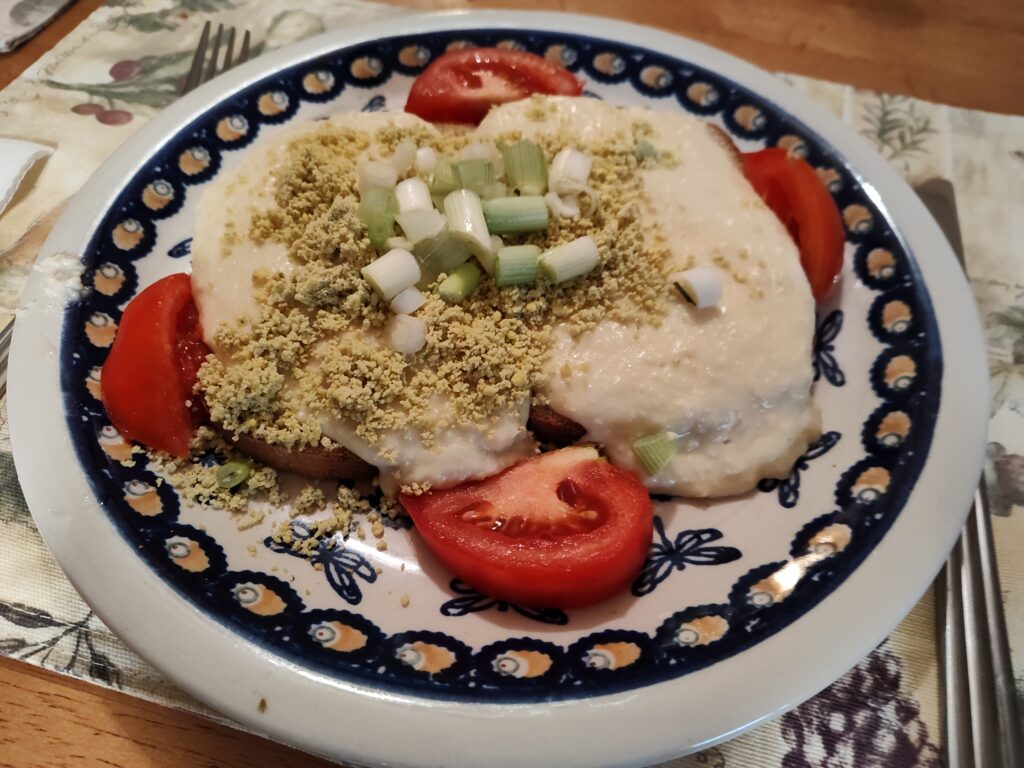
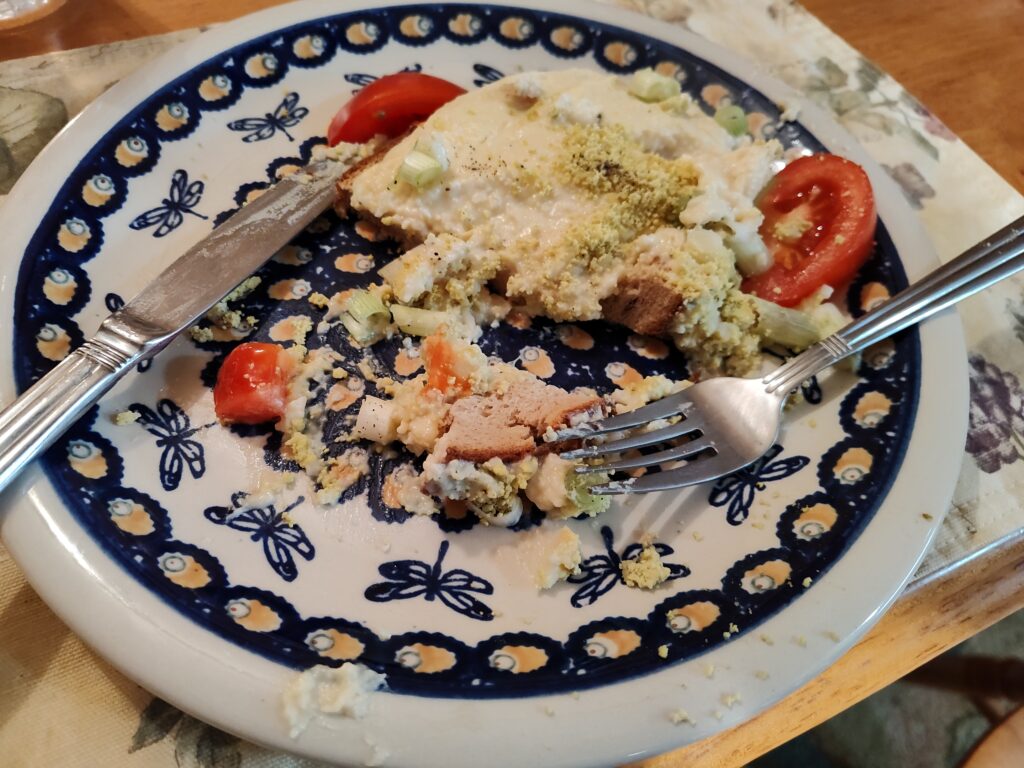
Eggs Goldenrod combines eggs with a basic white sauce. It makes for a delicious breakfast or, better yet, a fabulous brunch.  All you need is hard- boiled eggs; and the sauce takes a few minutes to prepare. Combine it all, and you have a special dish. Classic cuisine at its finest.

EGGS GOLDENROD

Ingredients:

4 hard boiled eggs
4 slices toasted bread
2 cups white sauce
2 medium-to large tomatoes, sliced into garnish pieces (four for each plate)
1/3 cup chopped scallions

Ingredients: (For the Sauce)

4 tablespoons butter
4 tablespoons flour
2 cups milk

Instructions:

  1. Boil the eggs in water to cover by at least one inch until done. I find that the best way to accomplish this involves bringing the water to a boil, removing from heat, covering the pot and letting the eggs sit in the hot water for 12 minutes. Then drain, rinse eggs under cold running water and peel, which involves cracking the eggs against the pan or a hard surface and peeling so that the shell slides off easily. Some folks still prefer the old=fashioned way to boil eggs. This involves bringing eggs to a boil, cover pot and simmer for 20 minutes to a half hour, then peeling. Go with what works best for you. After eggs are done and peeled, cut in half and remove yolks with a knife or spoon.
  2. While eggs are cooking, make white sauce: Melt butter in a pan or skillet over low heat. Add flour and blend well with a fork or wire whisk. Sitr in milk and, as it cooks, bring slowly to a boiling point, stirring constantly until it forms a smooth sauce.
  3.  Chop whites of eggs very fine and add to the hot white sauce.
  4.  Chop egg yolks very fine.
  5.  Place toast on individual plates. Pour sauce over the toast.
  6. Garnish with the yolks on top, along with tomatoes around toast. Top with scallions and serve.
    Yield: 4 servings.

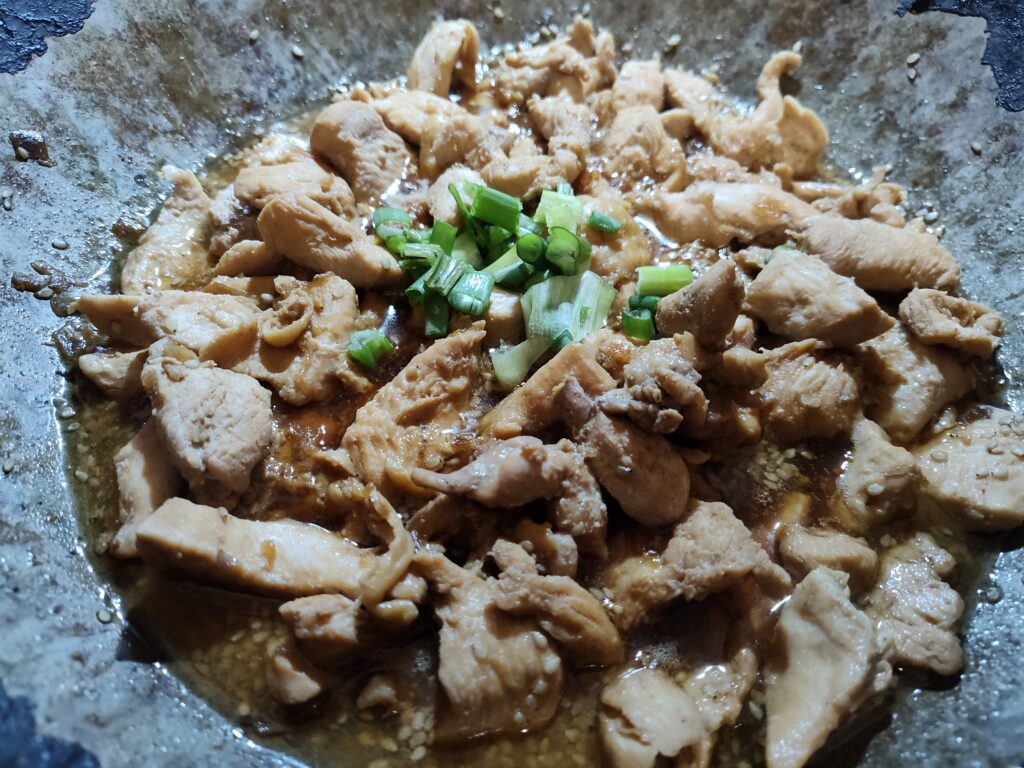
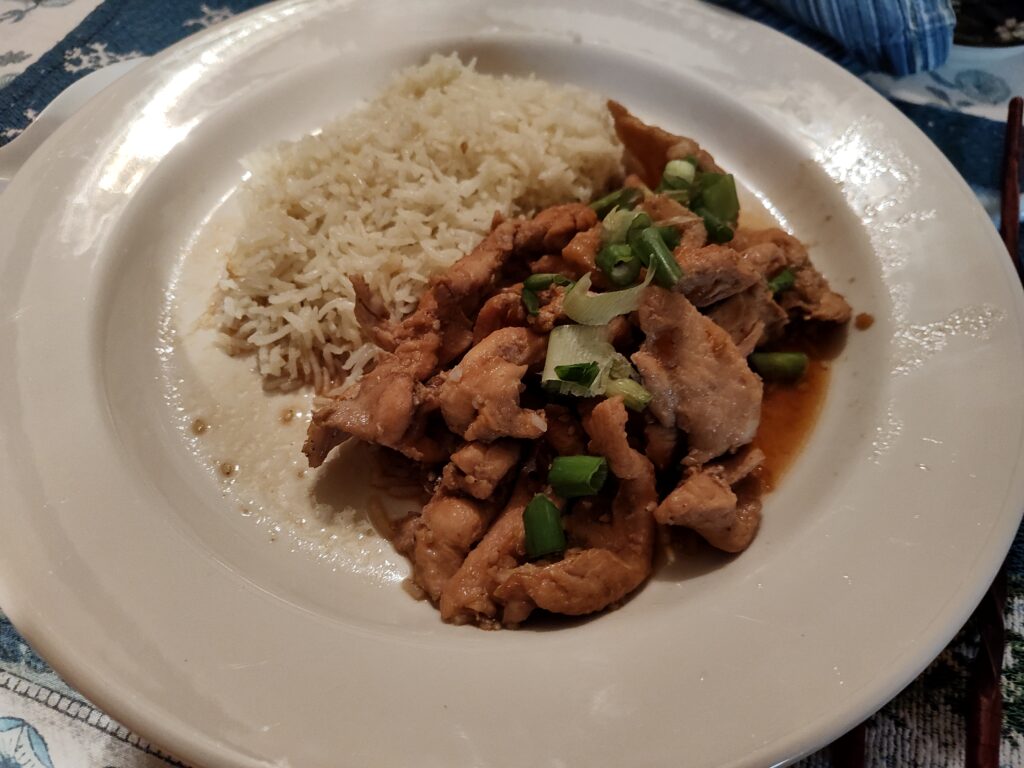
CHICKEN BULGOGI

Today we feature a classic Korean recipe. It’s known that my verve and passion is Caribbean cooking, essentially that of the Nuyorican diaspora. Yet, once in a while, we like to feature other prominent cuisine. Korean cooking has long been a favorite of mine ever since I discovered it in my young manhood years ago. And it is still one of my favorites, especially Chicken Bulgogi (or dak bulgogi), a popular dish featuring thinly sliced chicken marinated in a sweet, savory, and spicy sauce. The sauce itself consists of soy sauce, garlic, ginger, sesame oil, brown sugar. sesame seeds, cayenne pepper, salt and black pepper which is mixed together in a marinade. The chicken is then cooked or grilled over high heat until caramelized and slightly charred. It makes for a tender, juicy and flavorful rendition known as “fire meat.” Actually, this is a chicken version of the classic beef bulgogi. The beef version, as with the chicken dish, is typically served with rice, but also includes kimchi and, sometimes, lettuce. The dish can also be made with pork.

Our version is quick and easy. All you do is mix the chicken with the marinade and cook it together. That’s it. No fuss, no bother. It makes for a very tasty meal that will please everyone in your circle.

CHICKEN BULGOGI

Ingredients:

½ medium onion, peeled
2 cloves garlic, peeled and minced
5 tablespoons soy sauce
½ cup soy sauce
1½ tablespoons brown or maple sugar (or more to taste)
2 tablespoons sesame oil
1 tablespoon sesame seeds
½ teaspoon cayenne pepper
Salt and ground black pepper to taste
4 skinless, boneless chicken breasts (about 2 pounds – normally 6-8 ounces each)

Instructions:

  1. In a bowl, whisk together the onion, garlic, soy sauce, brawn or maple sugar, sesame oil, sesame seeds, cayenne pepper, salt and black pepper into a smooth marinade.
  2. Heat a wok or large skillet over medium-high heat. Add chicken and marinade and stir-fry until chicken is cooked throuh, about 15 minutes.
    Yield: 4-6 or more servings.

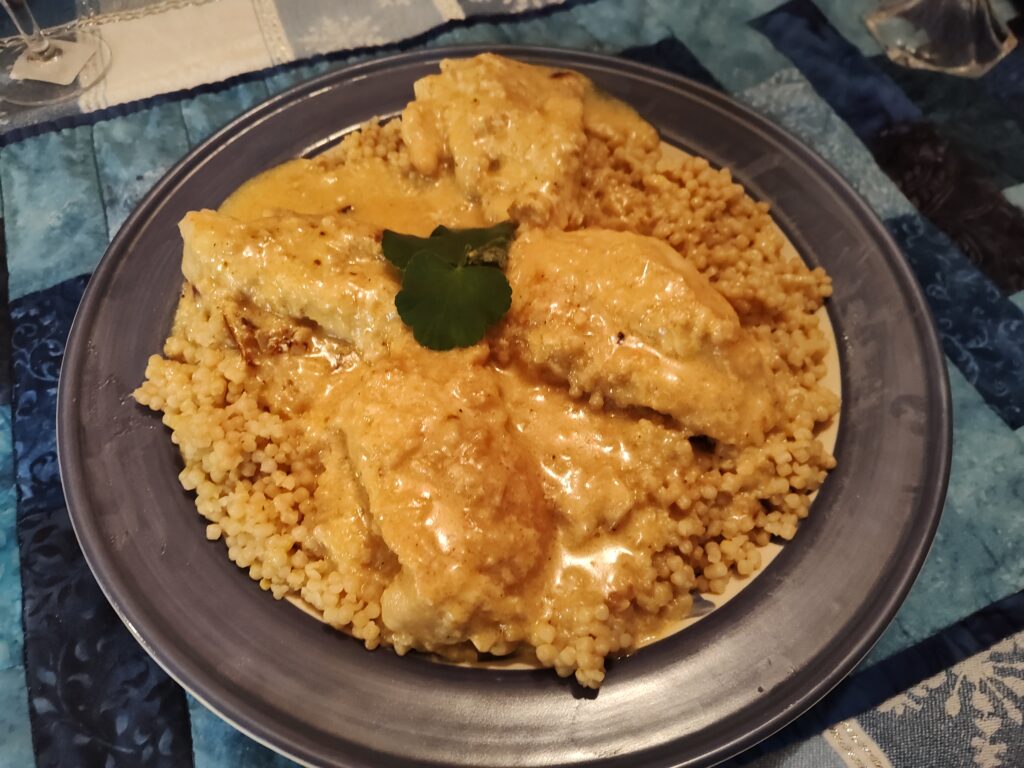
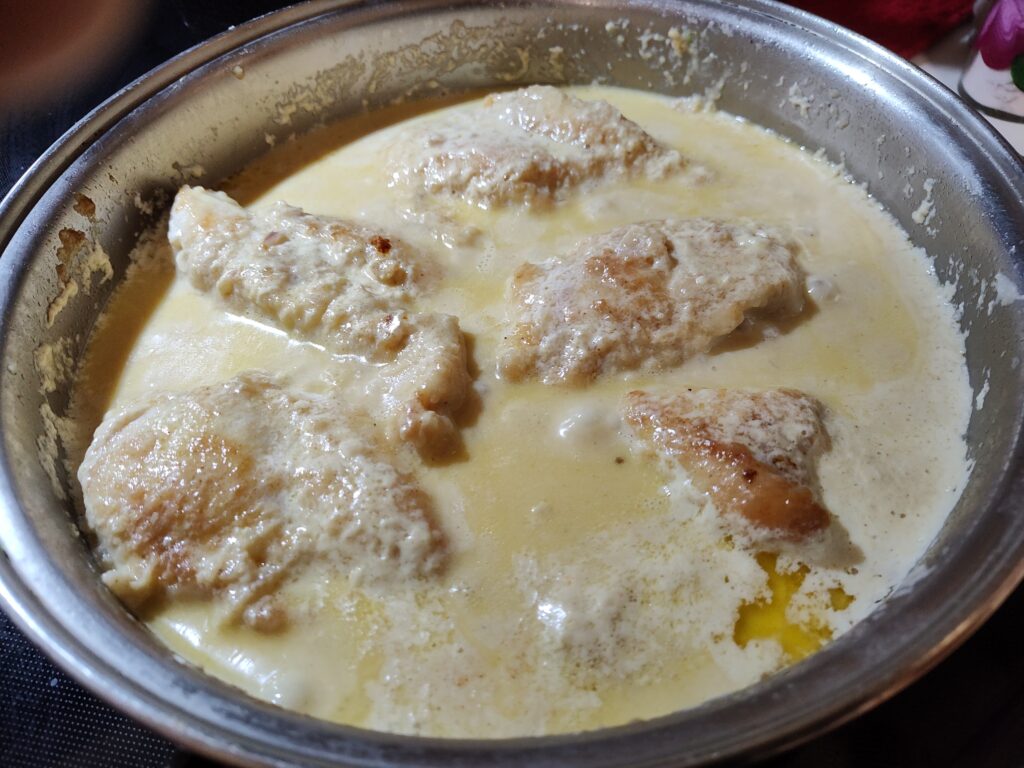
BROWN DERBY PAPRIKA CHICKEN

As noted in the title caption, this recipe hails from the famous restaurant in Los Angeles, The Brown Derby, which closed gradually in the 1980s, with the famous Vine Street location shutting down in April 1985 due to lease issues. Other locations like the Wilshire Blvd one closed earlier (around 1980) or later, with the last original ones gone by the mid-80s. In its time, The Brown Derby was host to the rich and the famous inclusive of movie stars, celebrities and other prominent customers. It’s brown derby hat atop the restaurant made it an iconic spot to dine and be seen.

Paprika Chicken, as prepared in this recipe is similar to the famous Hungarian d8sh, Chicken Paprikash, only difference being that the Brown Derby recipe does not contain tomatoes, garlic, bell peppers and sour cream, which made Chicken Paprikash famous. Also, in the original Paprika Chicken, a whole broiler chicken is used. Chicken Paprikash normally uses chicken parts. In the recipe given, chicken breasts are what’s used. So, my friends, enjoy a piece of Hollywood lore, as well as a great dish, tasty, rich and delicious.

For full disclosure, this recipe comes from the Summer 2025 issue of Repast magazine, a quarterly publication of the Culinary Historians of Ann Arbor, Michigan. For more great recipes you can visit their website: https//culinaryhistoriansannarbor.org

BROWN DERBY PAPRIKA CHICKEN

Serves 4

4 medium chicken breasts
¼ cup all-purpose flour
Salt
ground pepper
3 Tbsp unsalted butter
1 Tbsp onion, finely chopped
1 tsp sweet paprika
1 cup heavy cream
1 cup chicken stock
¼ tsp celery salt

1, Dredge chicken in flour, salt and pepper on both sides in a shallow dish.

2, Heat butter in a heavy skillet and sauté chicken until golden brown on both sides. Add onion and sauté another 2 minutes. A dd
paprika and blend well. Add cream. stock, and celery salt. Cover and allow to simmer for about 18 minutes on low heat.

Note: The sauce should be reduced to a thick sauce. If necessary, you can add additional stock to thin it down.

Serving suggestions: On a bed of rice or thick pasta noodles.


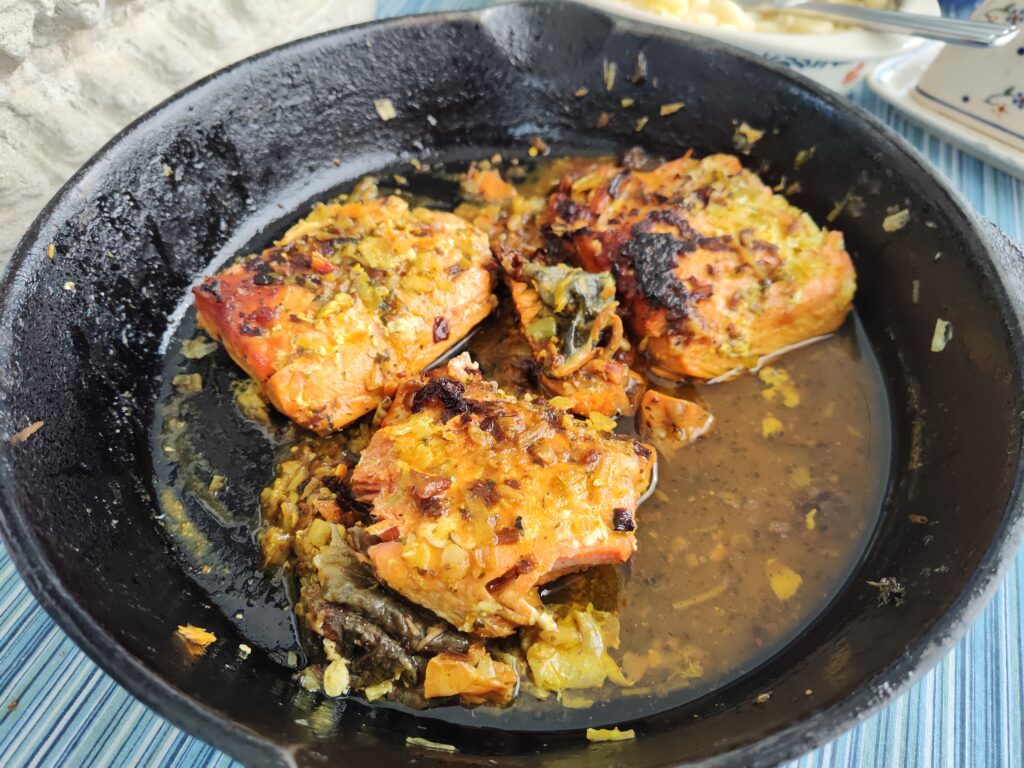
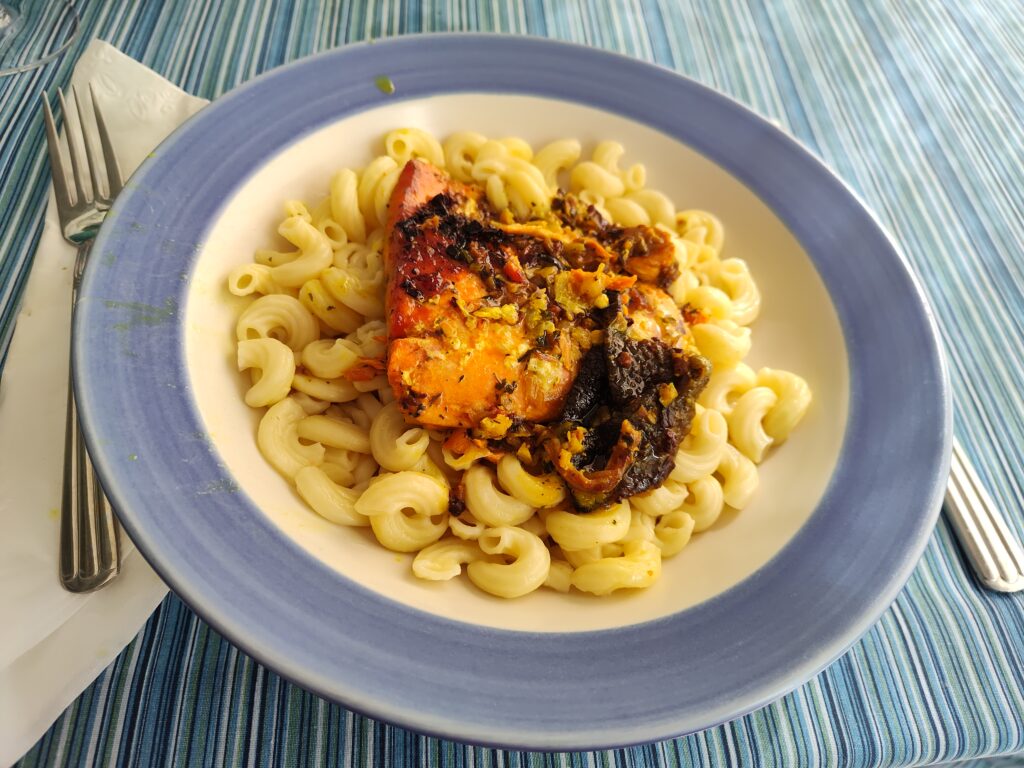
CARAMELIZED ONION-CURRY SAUCE

This is a fabulous easy to prepare sauce that will win raves from everyone in your circle. That is assured. And it goes great with vegetables, chicken, pork, beef, vel or, as we did it, with lamb. You have an all-purpose sauce for any occasion. The onion mixed with curry is a godsend. Makes me wonder, why didn’t think of this? The onion is browned and combined with the curry to give it  a smooth delectable taste and texture. So, go at it, my friends. You won’t be disappointed.

CARAMELIZED ONION-CURRY SAUCE

Ingredients:

2 tablespoons olive oil
1 cup peeled and sliced onion
1 teaspoon curry powder
1 cup chicken broth
1½ teaspoons cornstarch
1½ teaspoons water
Juice of ½ lemon
Salt and ground black pepper to taste

Instructions:

  1. In a large skillet or frypan heat oil over medium heat. Add onion and sauté, stirring occasionally for 5-7 minutes until golden brown.
  2. Stir in curry powder, lower neat and cook for 2 minutes. Add chicken broth and bring to a simmer.
  3. Cook sauce, stirring occasional for about 5 minutes or until it has been reduced by 1/3.
  4. In a cup or small bowl, dissolve cornstarch in the water. Remove sauce from heat and stir in cornstarch mixture. Make sure it is thoroughly mixed into sauce.
  5.  Return sauce to heat and bring to a simmer, stirring constantly. Lower heat and cook for 2 minutes.
  6.  Add lemon juice, season with salt and pepper to taste, and serve.
    Yield: 4 serving servings (makes about 1 cup)

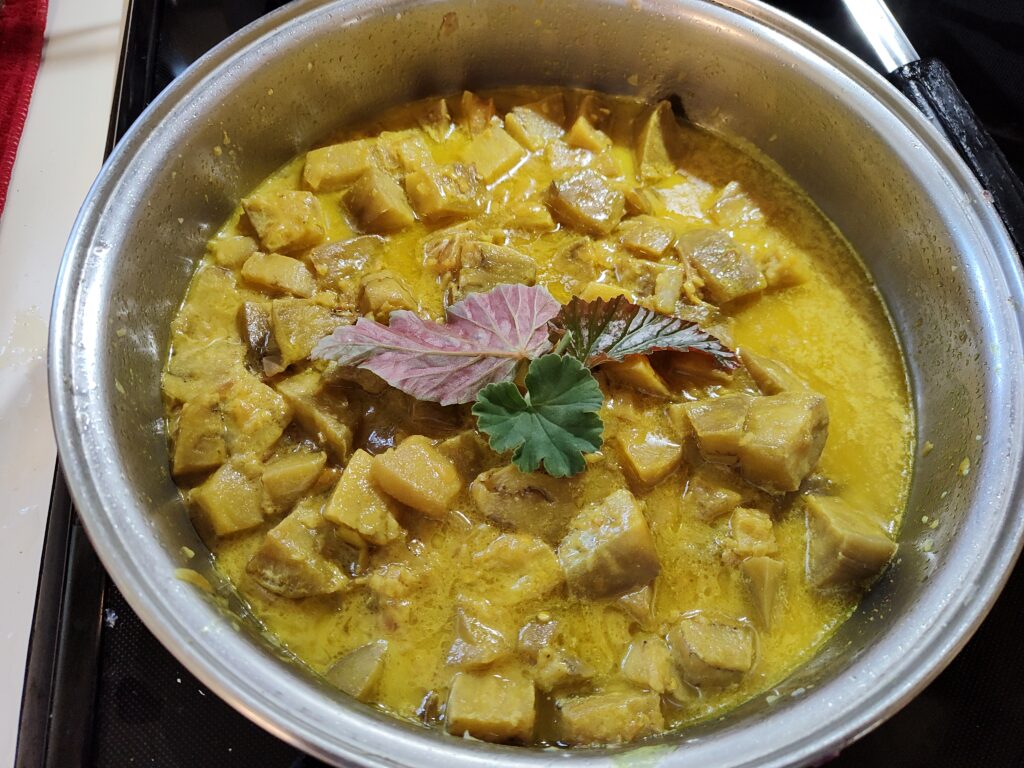
PARSNIP STIR-FRY

It’s wintertime here in the northeast, and if you’re seeking vegetables, you have to go with what you’re got. So, I came across parsnips in the local market. For the record, I normally do not cook parsnips. I do know that it’s a comestible you either love or hate. But it’s a winner—if it is done properly.  Like the way we did it, in a sauce.

I decided to stir-fry the bunch of parsnips I got. Parsnips can also be boiled or roasted. But, to me, stir-frying brings out its natural flavor. They become sweet and delicious when prepared this way. And we served them with bucatini, a hardy string pasta. But you can use spaghetti, or tubular pasta like macaroni or penne. Or skip the pasta and use rice, or couscous. Whatever you decide, you can’t go wrong with this marvelous root vegetable. Also, I added raisins to this recipe. That gives parsnips an added dimension that enliven the taste buds.

Note that there are about 4 medium parsnips in a pound. Thus, to be on the safe side, figured two pounds should be enough for a dinner of 4-6 people. Again, use your judgment and common sense. Do not be troubled, the recipe will come out delicious and memorable. Even those who hate parsnips, and by that I mean kids, will come out loving this dish.

PARSNIP STIR-FRY

Ingredients:

2 pounds parsnips (about 8 medium-sized to large parsnips)
3 tablespoons olive oil
2 cloves garlic, peeled and finely minced
1 cup water or broth (either chicken or beef, your choice)
Salt to taste
¼ teaspoon dried oregano
¼ ground coriander
¼  teaspoon turmeric
1 teaspoon black raisins

Instructions:

  1. Peel parsnips and slice into bite-sized pieces, either rounds or matchsticks, you’re choice. Be aware that rounds will take longer to cook, where matchsticks will be done sooner.
  2. Heat olive oil over medium-high heat in a large fry pan or skillet.
  3. Add Parsnips and garlic, and stir-fry until parsnips are slightly browned, about 2-3 minutes.
  4. Add water or broth, salt, oregano, coriander, turmeric and raisins. Cover, lower heat and simmer until parsnip’s are soft and caramelized, about 5-7 minutes. This is where their juices and sweetness will become apparent. Also, while cooking, you can add a little more water, mixed with cornstarch, if the sauce is too thin.
    Yield: 4-6 servings


Older posts

© 2026 Oswald Rivera

Theme by Anders NorenUp ↑